
Same position, different order: how transpositions work, and why your database should count them once
Four different move orders reach the same Catalan position, and every one of them finds the same 45,726 master games. What a transposition is, and how to use it in your preparation.

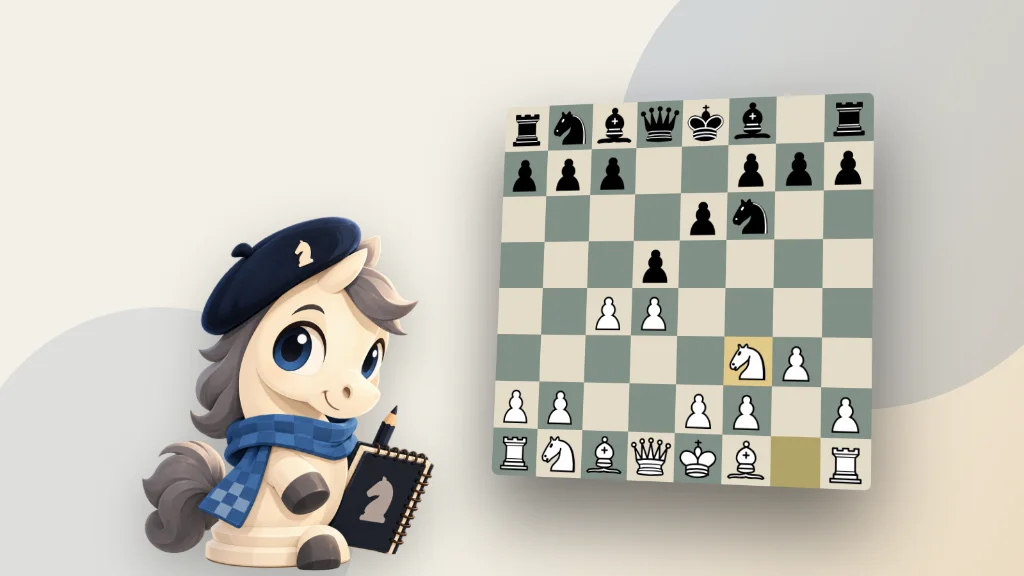
A transposition is when two different move orders reach the same position. It happens constantly in the opening, and it matters for one practical reason: if you prepare a move order instead of a position, you can be surprised by a position you already know.
A simple example: the French
The French Defence is usually reached by 1.e4 e6 2.d4 d5. But a player who opens 1.d4 can reach exactly the same position after 1.d4 e6 2.e4 d5.
1.e4 first


 7
 654
 32a1
 b
 c
 d
 e
 fgh
- 1
- 2
Opens in a new tab at the position on this board, with what masters played from it.
1.d4 first
765432a1bcdefgh- 1
- 2
Opens in a new tab at the position on this board, with what masters played from it.
Both boards show the same position, and our master database treats them as one: looked up by either order, it finds the same 179,938 games (179,938 by the second route).
A harder example: the Catalan
The Catalan is famous for its move orders. Here are four of them, each starting with a different first move:
| Move order | Master games at the final position |
|---|---|
| 1.d4 Nf6 2.c4 e6 3.g3 d5 4.Nf3 | 45,726 |
| 1.d4 d5 2.c4 e6 3.Nf3 Nf6 4.g3 | 45,726 |
| 1.Nf3 Nf6 2.c4 e6 3.g3 d5 4.d4 | 45,726 |
| 1.c4 e6 2.g3 d5 3.Nf3 Nf6 4.d4 | 45,726 |
765432a1bcdefgh- 1
- 2
- 3
- 4
The Catalan position all four orders reach.
Opens in a new tab at the position on this board, with what masters played from it.
Same numbers every time, because it's the same position: the same pieces on the same squares, the same side to move, and the same castling rights.
What counts as "the same position"
Two positions are the same when four things match:
- every piece is on the same square;
- the same side is to move;
- both sides have the same castling rights;
- an en passant capture is possible in both, or in neither.
The move number and the route don't count. That's the rule our database uses to file every game, and the rule the Position Explorer uses to look one up, so a game is counted once however its players got there.
How to use this in your preparation
- Prepare positions, not move orders. When you study what masters play against an opening, look up the key position, not just your favourite route to it.
- Watch for move-order tricks. An opponent who plays 1.Nf3 or 1.c4 may be heading for a position you know from 1.d4. The question is which positions they allow, not which first move they play.
- Count once. If a database counted each move order separately, a popular position could look rare. Counting by position gives you the real picture.
Sources and evidence6 checked claims
Every number in this article, where it came from and how it was checked. Master-database numbers are re-read from the live database and engine values re-run whenever the page is built. How we check
| Claim | Value | Source |
|---|---|---|
| Master games at the French position, looked up by 1.e4 e6 2.d4 d5 | 179,938 | ChessCanvas master database c7ccea3a87ef, Modern masters · OTB (re-read at build) |
| The same, looked up by 1.d4 e6 2.e4 d5 | 179,938 | ChessCanvas master database c7ccea3a87ef, Modern masters · OTB (re-read at build) |
| Catalan position by 1.d4 Nf6 2.c4 e6 3.g3 d5 4.Nf3 | 45,726 | ChessCanvas master database c7ccea3a87ef, Modern masters · OTB (re-read at build) |
| The same by 1.d4 d5 2.c4 e6 3.Nf3 Nf6 4.g3 | 45,726 | ChessCanvas master database c7ccea3a87ef, Modern masters · OTB (re-read at build) |
| The same by 1.Nf3 Nf6 2.c4 e6 3.g3 d5 4.d4 | 45,726 | ChessCanvas master database c7ccea3a87ef, Modern masters · OTB (re-read at build) |
| The same by 1.c4 e6 2.g3 d5 3.Nf3 Nf6 4.d4 | 45,726 | ChessCanvas master database c7ccea3a87ef, Modern masters · OTB (re-read at build) |
Keep reading
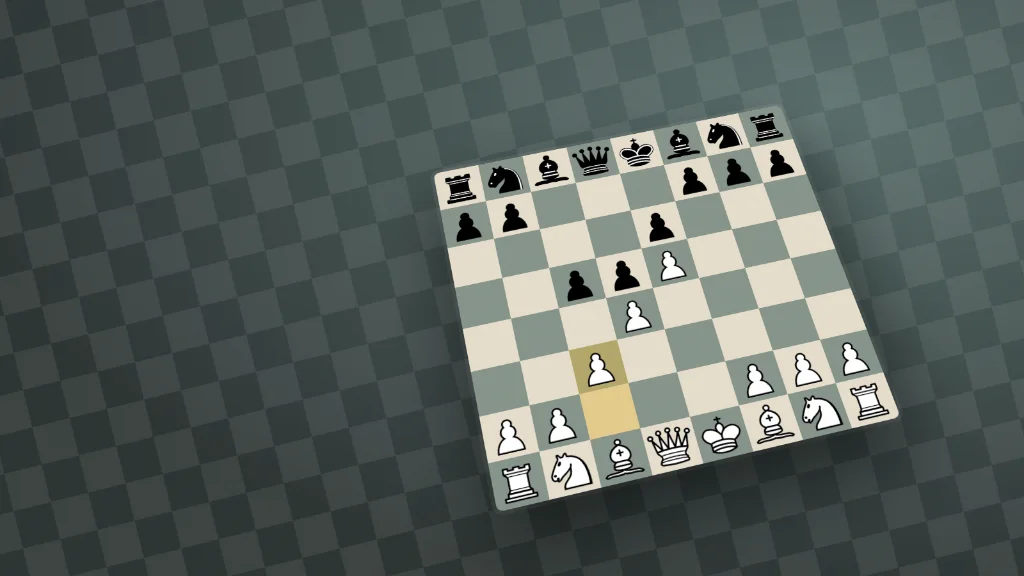
The French Defence: a guide to the main lines, with master-game evidence
What the French is for, White's four main answers and how each scores, Black's main replies, and the two pawn breaks every French player needs. Built on 179,938 master games.
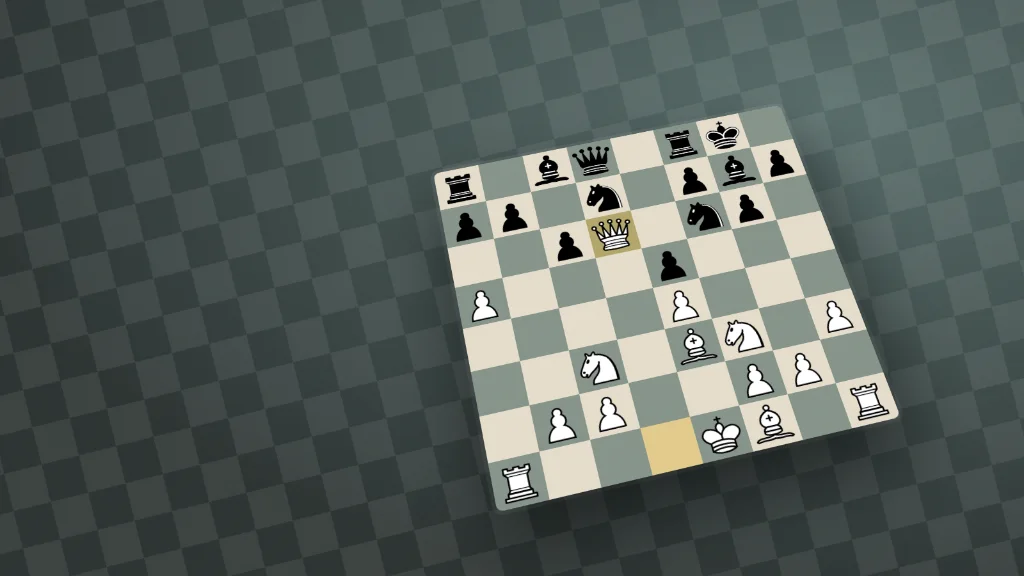
Tired of the Pirc? The h3 + a4 system and the 10.Qd6 trap
Two quiet pawn moves take the sting out of Black's main plans, and one natural recapture walks into 10.Qd6. What 1,053 master games and Stockfish 19 say.
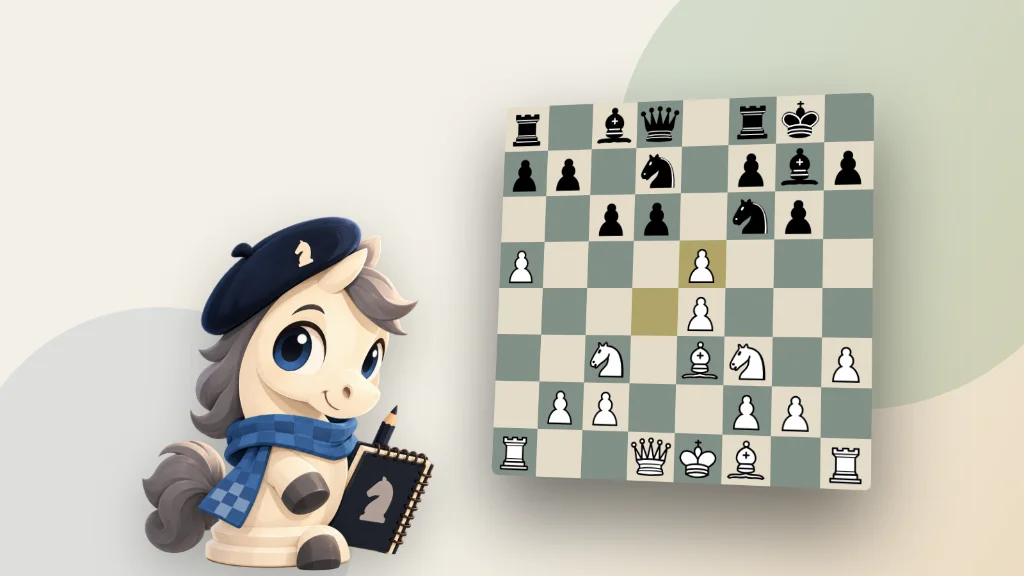
Before you recapture, look at the lines you open: a two-second check that saves games
In the Pirc, the natural recapture 9…dxe5? runs into 10.Qd6!, and White scores heavily in master games. Here is a simple habit that spots this kind of trap before you fall into it.